Project Rahma Ramadan brought several forms of solidarity together in one Ramadan program: 45,000 iftar meals, food baskets, Omra support, and Eid clothing.
A Ramadan program built around practical needs
Yalla Nettaawnou’s field approach is based on presence, structure, and useful action. During Ramadan, Project Rahma translated this approach into different forms of direct support, allowing the initiative to respond to more than one type of need within the same program.
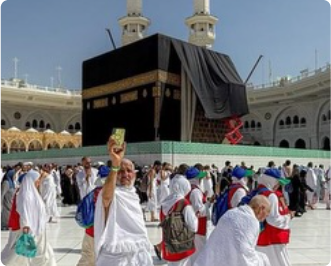
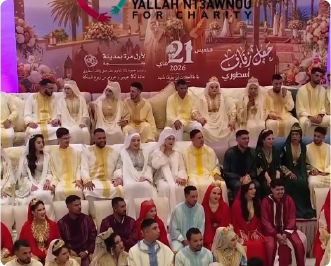
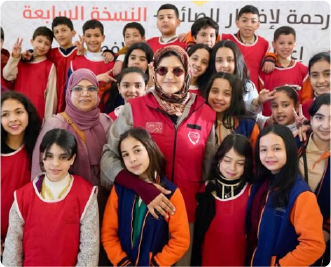
Food support remained a central part of the action through 45,000 iftar meals and food baskets. The initiative also included Omra support and Eid clothing, extending the program beyond meals to other forms of community solidarity.
45,000 iftar meals
For families and people living with limited resources, food insecurity can become one of the most immediate daily pressures. Yalla Nettaawnou’s humanitarian model responds through organized distribution, volunteer mobilization, and direct field action designed to deliver support where needs are present.
Project Rahma Ramadan followed this same logic by bringing together several complementary initiatives under one program.
More than one form of support
The project combined iftar meals, food baskets, Omra support, and Eid clothing. Each component addressed a different dimension of solidarity while remaining connected to the same principle: keeping support close to people and preserving dignity.
Yalla Nettaawnou works to transform generosity into organized action. Through practical planning and coordination, contributions can be directed toward concrete forms of assistance rather than remaining symbolic.
Solidarity that stays close to people
Project Rahma Ramadan represents a community-focused approach to humanitarian work. By combining 45,000 iftar meals with food baskets, Omra support, and Eid clothing, the initiative turned Ramadan solidarity into a structured program of practical assistance and human presence.